
Avoid Expensive HVAC Mistakes in Easthampton, MA
Skipping Seasonal Tune-Ups
Most homeowners delay or skip annual maintenance appointments, believing their heating or cooling equipment will run indefinitely without attention. This mistake stems from the false assumption that if the system appears to be working, nothing needs fixing. Unfortunately, this mindset leads to gradual efficiency losses, unexpected breakdowns during extreme weather, and dramatically shortened equipment lifespans.
In Easthampton and throughout the Pioneer Valley, heating systems work harder during brutal January and February cold snaps, while cooling units face humid summer stress that accelerates wear on components. Without regular filter changes, coil cleaning, and refrigerant level checks, your system burns more energy to deliver the same comfort. A unit that should last 15 years may fail at year 10, costing you thousands in premature replacement.
The financial impact extends beyond the equipment itself. A neglected system can waste 15 to 30 percent more energy each month, translating to hundreds of dollars annually. Small issues like dirty burners, worn belts, or minor refrigerant leaks become catastrophic failures when ignored, often at the worst possible moment when emergency service rates apply.
Schedule maintenance twice yearly: once before heating season and once before cooling season begins. A qualified technician will inspect electrical connections, test safety controls, lubricate moving parts, and identify problems before they escalate. This preventive approach protects your investment and keeps your family comfortable when weather conditions demand reliable performance.
Ignoring Filter Replacement Schedules
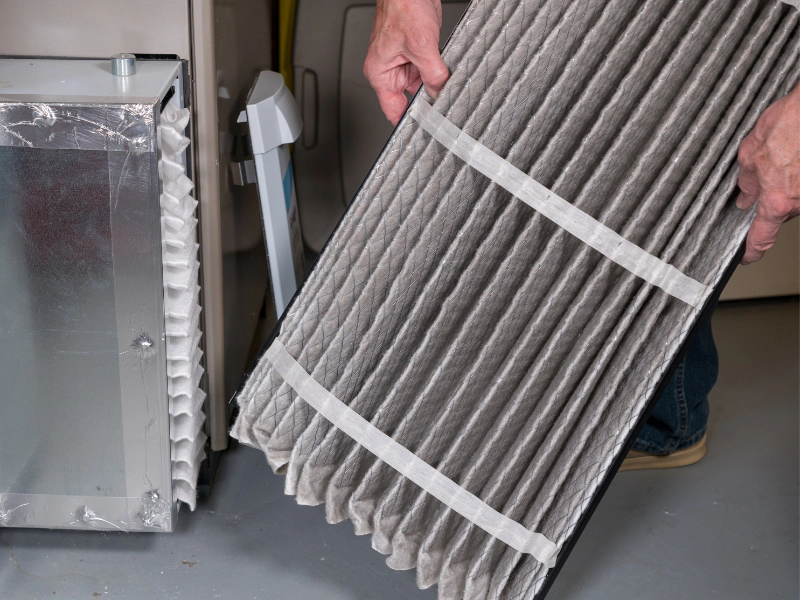
Air filters represent the simplest and most affordable maintenance task, yet countless homeowners forget to change them for months or even years. The reasoning is straightforward: filters are hidden inside equipment, so out of sight becomes out of mind. This negligence forces your system to strain against restricted airflow, increasing energy consumption while reducing heating and cooling capacity.
Clogged filters create a cascade of problems throughout your equipment. Reduced airflow causes heat exchangers to overheat and crack, air conditioning coils to freeze, and blower motors to burn out prematurely. Indoor air quality suffers as dust, pollen, and allergens circulate freely through your living spaces instead of being trapped in the filter media. For families with asthma or allergies, this oversight can trigger serious health episodes.
The cost difference is staggering. A basic filter costs between five and twenty dollars and takes two minutes to replace. Repairing a cracked heat exchanger or replacing a burned-out blower motor can easily exceed one thousand dollars, not including the discomfort of waiting for repairs during peak season when technicians are booked solid.
Set a recurring reminder on your phone for every 30 to 90 days, depending on your filter type and household conditions. Homes with pets, high dust levels, or family members with respiratory sensitivities should change filters monthly. Keep several spare filters on hand so you never have an excuse to delay this critical task that protects both your equipment and your indoor air quality.
Closing Vents in Unused Rooms
Many homeowners believe closing vents in spare bedrooms or unused spaces will save money by redirecting conditioned air to occupied areas. This intuitive logic actually backfires, creating pressure imbalances that force your system to work harder and waste more energy. Modern residential heating and cooling equipment is designed to distribute air evenly throughout your entire home, and blocking that flow disrupts the engineered balance.
When you close vents, the blower continues pushing the same volume of air through a smaller number of openings. This increased pressure stresses ductwork connections, potentially creating leaks that waste conditioned air into attics, crawl spaces, or wall cavities where it provides no benefit. The added resistance also strains the blower motor, shortening its operational life and increasing the risk of expensive motor failure.
Temperature imbalances become another issue. Rooms with closed vents may become uncomfortably cold in winter or hot in summer, encouraging you to adjust the thermostat more aggressively. This creates longer run times for your equipment, negating any imagined savings while accelerating wear on all system components. Humidity control suffers as well, since proper air circulation is essential for maintaining consistent moisture levels throughout your living spaces.
Keep all vents open and unobstructed by furniture, curtains, or storage items. If certain rooms consistently feel too warm or too cold, the solution is proper system balancing by a trained technician who can adjust dampers within your ductwork to fine-tune airflow. For homes with significant temperature variations between floors or wings, consider zoning solutions that provide independent control without disrupting system operation.
Choosing Equipment Based on Price Alone
When replacement time arrives, sticker shock tempts many homeowners to select the cheapest available unit without considering long-term performance, efficiency ratings, or proper sizing for their specific home. This decision prioritizes immediate affordability over lifetime value, often resulting in higher operating costs, frequent repairs, and premature equipment failure that quickly erases any initial savings.
Equipment sizing matters enormously. An undersized system will run continuously without adequately heating or cooling your home, while an oversized unit will short-cycle, turning on and off rapidly without running long enough to control humidity or distribute air evenly. Both scenarios waste energy and create comfort problems that no amount of thermostat adjustment can solve. Proper sizing requires detailed calculations based on your home’s square footage, insulation levels, window placement, and local climate conditions specific to western Massachusetts.
Efficiency ratings directly impact your monthly utility bills for the entire lifespan of your equipment, typically 12 to 18 years. A budget model with a low SEER rating might cost eight hundred dollars less upfront but consume three hundred dollars more electricity annually compared to a high-efficiency unit. Over fifteen years, you lose money on the cheaper purchase while enduring inferior comfort and higher environmental impact.
Focus on total cost of ownership rather than purchase price alone. Request multiple quotes that include efficiency ratings, warranty coverage, and projected operating costs. A quality installation by qualified technicians prevents problems that plague discount installations. Many homeowners discover that mid-range equipment installed correctly outperforms premium equipment installed poorly, making contractor selection as important as the equipment itself.
Delaying Small Repairs
Strange noises, minor leaks, inconsistent temperatures, or unusual odors often signal developing problems that homeowners rationalize as tolerable inconveniences. The temptation to wait and see if the issue resolves itself or becomes more obvious delays professional diagnosis until a minor repair escalates into a major system failure requiring emergency service or complete equipment replacement.
Small problems rarely improve on their own. A slight refrigerant leak will gradually worsen, forcing your air conditioner to work harder while delivering less cooling capacity. That grinding noise from your blower motor indicates bearing wear that will eventually cause complete motor failure, potentially damaging other components when it seizes. A cracked heat exchanger begins as a small fissure but expands with thermal cycling, eventually creating a dangerous carbon monoxide hazard that threatens your family’s safety.
Emergency repairs during peak heating or cooling season carry premium pricing and force you to endure uncomfortable conditions while waiting for service. January furnace failures in New England frequently mean 24 to 48 hour waits for available technicians, exposing your home to freezing temperatures that can burst pipes and cause thousands in additional water damage. Summer air conditioning failures during heat waves create dangerous conditions for elderly family members and pets while ruining food in your refrigerator.
Address unusual symptoms immediately by scheduling a diagnostic visit. What might cost one hundred fifty dollars to repair today could easily become a fifteen hundred dollar emergency next month. Professional technicians can identify the root cause, explain your options, and prevent cascade failures that damage multiple components. Many repairs covered by warranty today become your financial responsibility if delayed beyond warranty expiration. Taking action promptly protects your investment and maintains reliable comfort for your family throughout every season.
